C

Author

Camille Forster

Camille Forster writes the money-honest column at BudgetForge. Numbers over adjectives, and that applies to the dates as well as the bills.

Infrastructure economics

Your real blended Stripe rate by average ticket (2026)

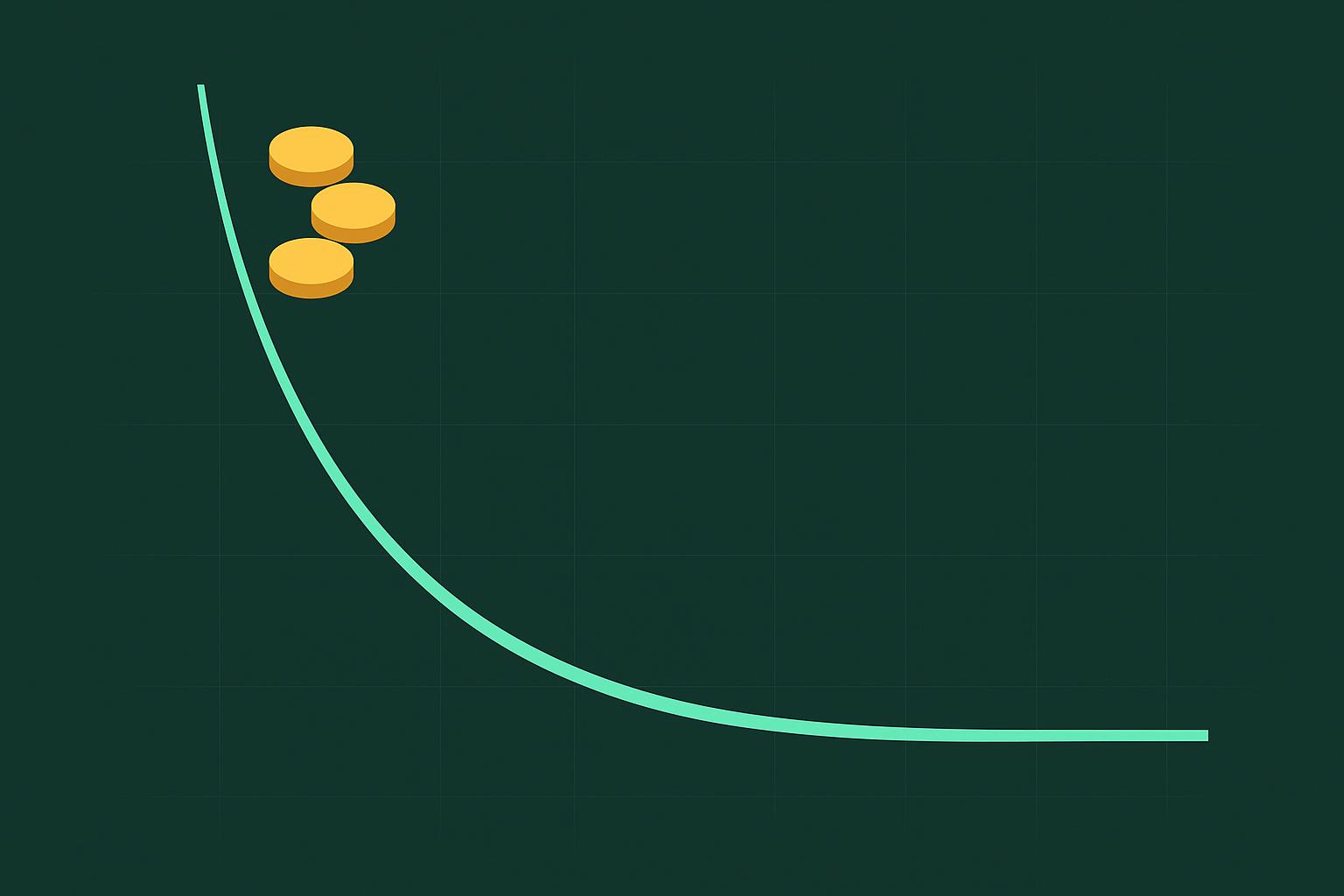
Your real blended Stripe rate in 2026 is 2.9% plus $0.30 divided by your average ticket (US domestic online cards). Below about $20 the flat 30 cents dominates: an $8 ticket pays 6.65%, a $45 ticket 3.57%, a $220 ticket 3.04%. The biggest lever is raising your average ticket (annual billing, bundling, minimums) or moving large invoices to ACH at 0.8%, capped at $5.

7 min read185
Pricing teardowns

Trigger.dev Pricing 2026: What You Actually Pay

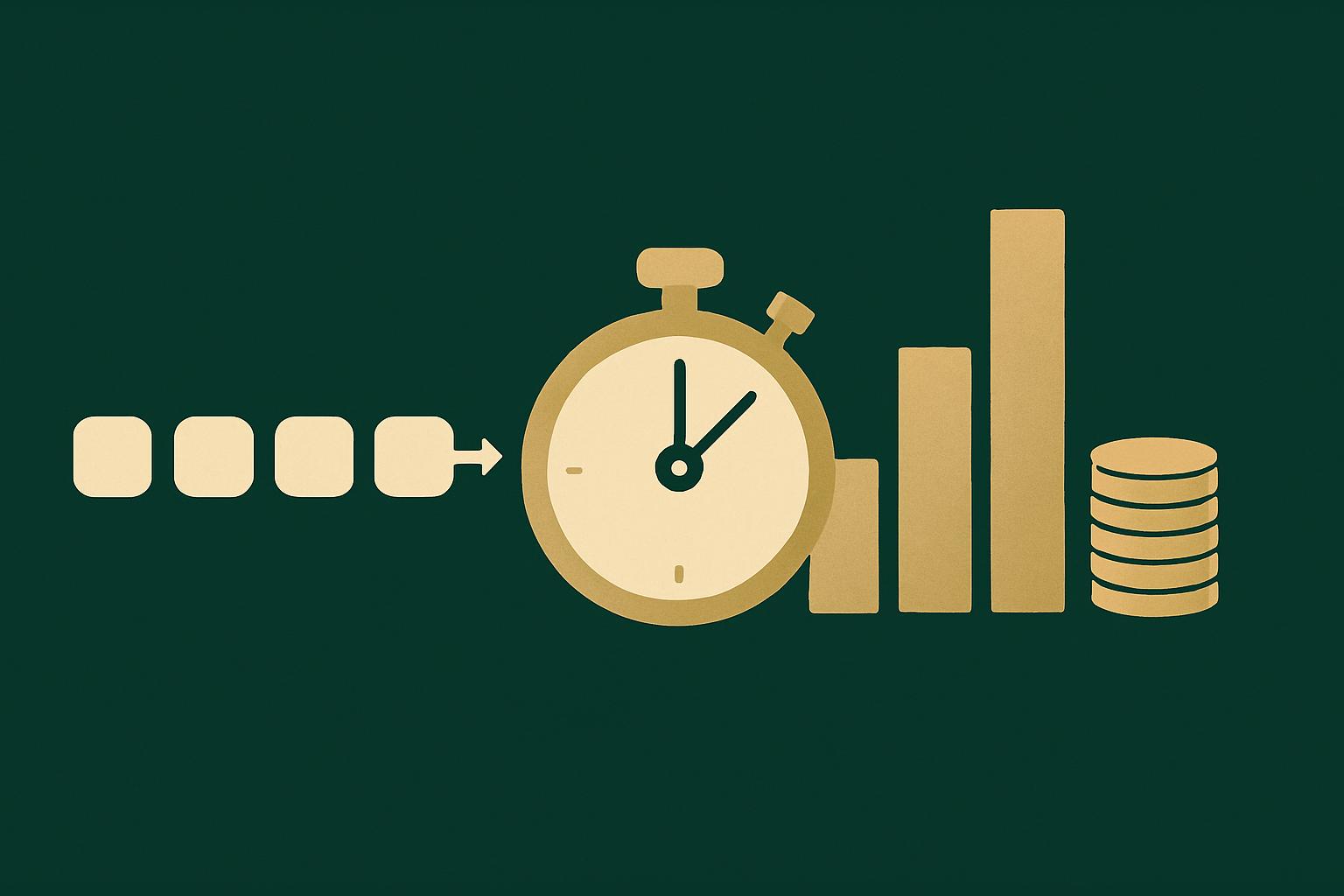
Trigger.dev pricing in 2026 runs on two meters: $0.25 per 10,000 runs plus a per-compute-second charge set by machine size, drawn from monthly credits (Free $5, Hobby $10, Pro $50). A light side project stays free; a busy agentic workload can pass $1,000/month, 99% of it compute. Because waits are checkpointed and not billed, moving in-process sleeps to native waits is the single biggest lever.

8 min read200
Pricing teardowns

Knock Pricing in 2026: What Notification Infra Really Costs

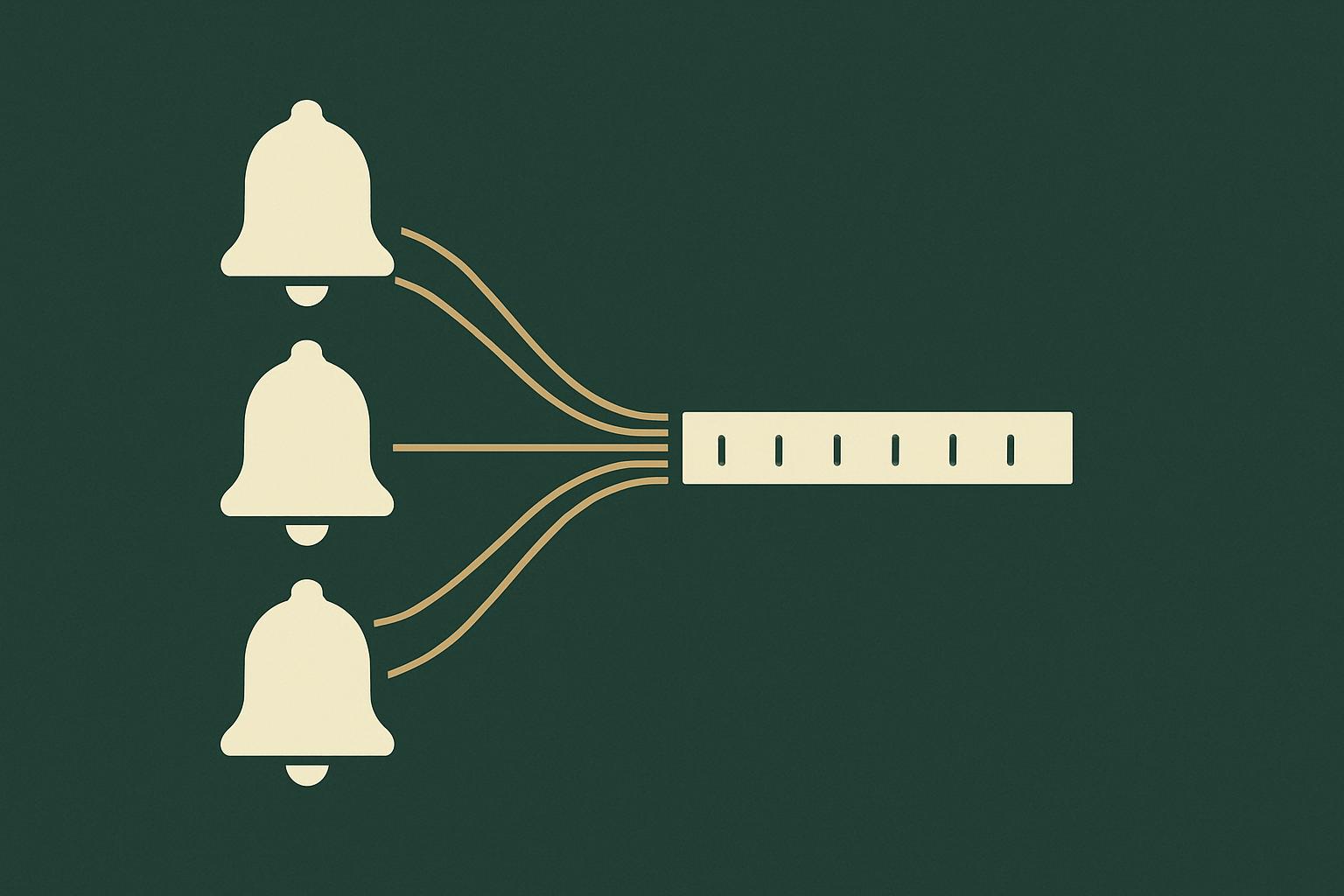
As of July 2026, Knock's notification API charges per message, where a message is one delivery to one user on one channel. The Starter plan is $250 per month for 50,000 messages, then $0.005 each. Because Knock meters per channel, a single notification sent to email, push, and in-app counts as three messages, so a 5,000-user app fanning three channels can run about $750 per month. The same alerts cost roughly $250 on Courier's per-notification meter and about $54 on Novu's per-run Pro plan. Match the meter to your channel fan-out before you pick a vendor.

7 min read192
Pricing teardowns

Axiom Pricing 2026: What You Actually Pay

Axiom bills on two meters, data loaded and query compute, not host count. A 2026 teardown with the free tier, the $25 flat band, three worked bills and the query-compute trap that quietly doubles the invoice.

8 min read258
tools

Langfuse Pricing in 2026: What a Unit Really Costs

Langfuse pricing in 2026 starts free (Hobby: 50,000 units per month), then $29/month (Core), $199 (Pro), and $2,499 (Enterprise), with extra units at $8 per 100,000. The catch: a unit is every trace, observation, and score, so one multi-step agent request can burn 20 or more units. That is why a busy agent app pays far more than its request count suggests.

8 min read269

Inngest Pricing 2026: What You Actually Pay Per Step

Inngest pricing meters every step, not every job. Here are the real 2026 rates, three worked 30-day bills, and the two meters (step count and concurrency) that actually spike your invoice.

7 min read233
tools

PostHog Pricing in 2026: What You Actually Pay

As of July 2026, PostHog has no fixed subscription. It is free to start with no credit card, and each of its products bills separately once you pass a generous monthly free tier: 1M product-analytics events, 5K session replays, 1M feature-flag requests, 100K error-tracking exceptions, and more. Product analytics starts at $0.00005 per anonymous event and gets cheaper per event as volume rises. The catch nobody flags: identified events can cost up to 4x more. Most side projects pay $0; a growing SaaS usually lands between roughly $50 and a few hundred dollars a month; the five-figure horror stories come from high-volume, autocapture-heavy, all-identified setups with no billing limit set.

8 min read723